

From Robots to Results: Why Modern Automation Demands a System Perspective
Industrial automation is no longer limited to individual machines or isolated robotic cells. In today’s manufacturing environment, automation must be strategically integrated into the entire production system to ensure efficiency, flexibility and long-term performance.
At Shape Process Automation EMEA, automation is developed from a system integration perspective — combining robotics, engineering expertise and digital simulation to create scalable, future-proof production solutions for complex industrial environments.
When Automation Becomes a Strategic Part of Production
Industry is evolving rapidly. Increasing demands for efficiency, flexibility and quality are reshaping how production systems are designed. Automation is no longer an isolated investment in a robot or a machine, it is a critical component in building the production environments of the future.
At Shape Process Automation EMEA, automation is approached from a system perspective. Technology, engineering expertise and innovation work together to create robust, flexible and long-term sustainable production solutions.
A System-Based Approach to Industrial Automation
Traditionally, automation has often been implemented step by step, optimizing one process at a time. But as production environments grow more complex, improving a single station is no longer enough. The entire system must function seamlessly.
Every project begins with a thorough analysis of processes, material flows, capacity requirements and technical conditions. By understanding how each part interacts within the larger system, solutions are developed that optimize the full production flow, not just individual components.
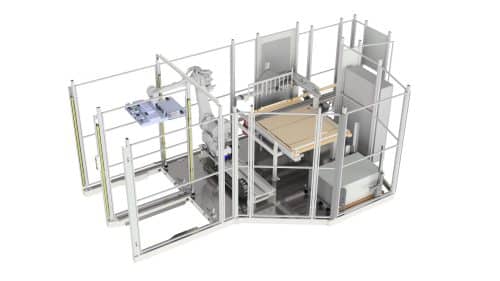
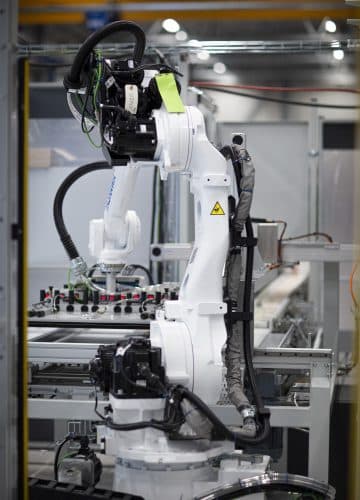
This can include robotic handling systems, advanced automation cells or fully integrated production lines where multiple technologies operate as one cohesive solution.
Industrial robotics and system integration solutions
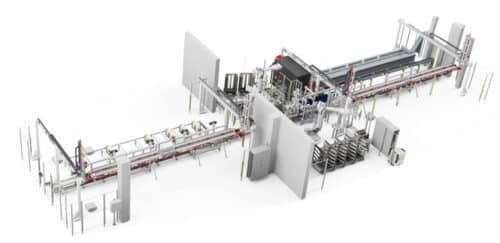
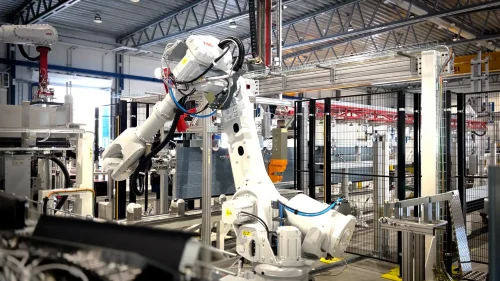
Custom Industrial Automation for Complex Manufacturing Environments
A significant part of Shape’s business consists of fully customized automation projects. Industrial environments are rarely identical, each has its own processes, products and performance demands.
By combining automation, robotics and system integration, solutions are developed to match specific production conditions. The focus is on robust engineering, high availability and long-term operational reliability.
Customized development enables the handling of complex production environments where standard solutions alone are not sufficient.
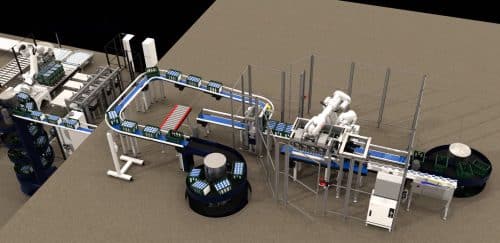
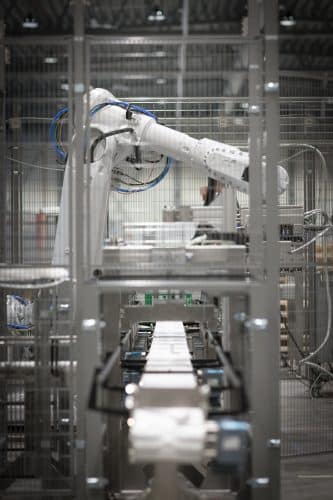
Standardized Automation Cells with Flexible System Integration
In addition to fully customized systems, Shape offers standardized automation cells built on proven concepts and modular design principles.
However, standardized does not mean generic.
Each cell is adapted to the customer’s layout, interfaces, surrounding equipment and integration requirements. By combining a standardized foundation with customer-specific adjustments, a balance is created between cost-efficiency, delivery reliability and technical flexibility.
Customers benefit from proven technology while ensuring the solution is optimized for their specific production environment.
Digital Simulation in Industrial Automation Project
A key differentiator is Shape’s dedicated innovation and simulation department. Advanced digital tools are used to model, analyze and optimize solutions before physical implementation begins.
Simulation is not a one-time activity, it is integrated throughout the entire project lifecycle. By creating digital models of production flows, capacity, cycle times and material movements can be analyzed in detail.
This enables:
• Early identification of bottlenecks
• Layout and robot path optimization
• Predictable performance at start-up
• Reduced technical risk
By combining digital simulation with physical engineering, projects become more precise, efficient and reliable.
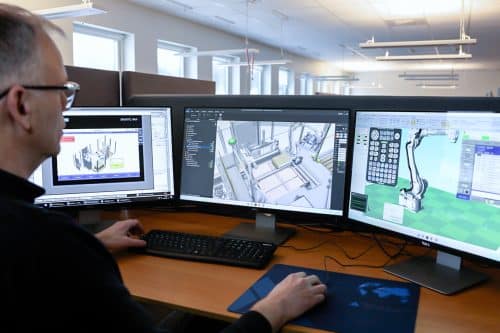
Advanced simulation and digital engineering
Automation as a Strategic Investment in Manufacturing
In a constantly changing industrial landscape, adaptability is essential. Automation systems must handle new product variants, changing volumes and evolving technical requirements.
Whether delivering a fully customized production line or a standardized automation cell, the objective remains the same: to create scalable, future-proof systems designed to evolve over time.
“Automation is no longer just about technology.
It is about shaping the future of industrial production.”
Let’s discuss your automation project.
Request info about your industrial automation project and discover how a system-based approach can improve manufacturing efficiency.